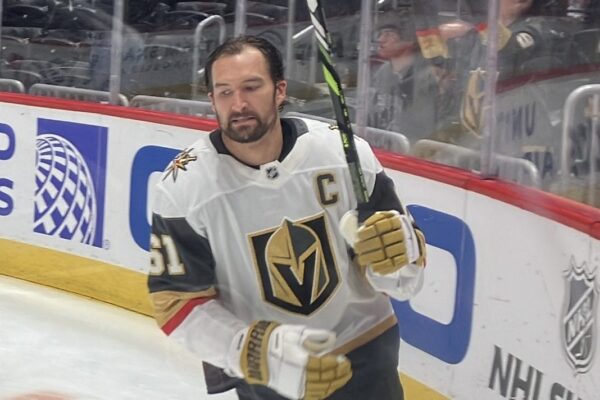
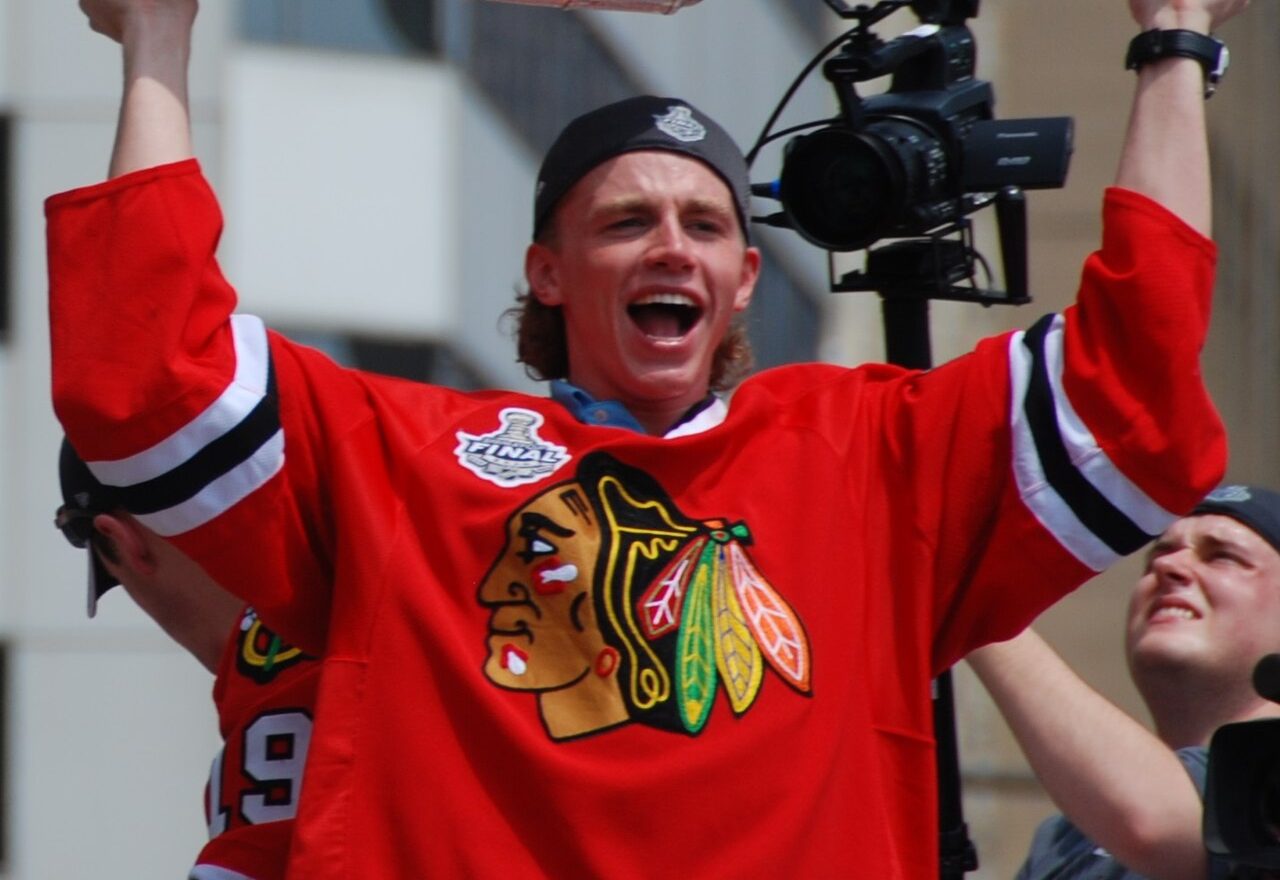
Three Stanley Cups, a Calder Trophy, a Conn Smythe, a Hart, an Art Ross, and one overtime goal in Philadelphia that Chicago fans still know by heart. Patrick Kane’s career has stretched from Buffalo youth rinks to the center of the Blackhawks’ championship run, then on to late-career chapters in New York and Detroit.
What made him different was obvious early. He was not the biggest winger on the ice, and he never played that way. Kane built his game on hands, timing, patience and misdirection, the kind of skill that could freeze a defender for half a second and turn that pause into a scoring chance.
Buffalo roots and the road out of town
Patrick Timothy Kane II was born on November 19, 1988, in Buffalo, New York. He grew up with parents Donna and Patrick “Tiki” Kane and his three sisters, Erica, Jessica and Jacqueline, in a family where hockey was part of daily life. His early teams included the Cazenovia Chiefs, West Seneca Wings, Buffalo Regals and Depew Saints, the usual kind of ladder for a gifted player in Western New York, except Kane climbed it unusually fast.
A key turn came in his mid-teens, when he left home to join Honeybaked’s AAA program in the Detroit area. He lived with Pat Verbeek, the former NHL forward, an arrangement that has long been part of the Patrick Kane story because it showed how early he committed to a tougher development path.
Before major junior, he also spent time with the USA Bobcats and later moved into the U.S. National Team Development Program. With the NTDP Under-17 team in 2004-05 and the Under-18 team in 2005-06, his production exploded. In that U18 season, he put up 102 points, split evenly between 52 goals and 50 assists, a snapshot of the balance that would define him for years: scorer and creator in the same shift.
London made him the top pick
By the time Kane reached the Ontario Hockey League, he was no longer just a promising Buffalo kid. He was becoming the top prospect in his class.
His lone OHL season with the London Knights in 2006-07 was a statement year. Kane piled up 145 points in 58 games, won the Emms Family Award as OHL rookie of the year and finished with the league’s most dangerous offensive profile. He did not win the OHL scoring title, that went to teammate Sam Gagner, but Kane’s season still cemented his place near the top of the 2007 draft board.
Chicago made it official by selecting him first overall in the 2007 NHL Entry Draft.
Chicago, stardom and the Cup-winning goal
Kane stepped straight into the NHL and looked comfortable almost immediately. He signed his entry-level contract in July 2007, then delivered 72 points as a rookie in 2007-08 and won the Calder Memorial Trophy.
That first season mattered beyond the award. Chicago had been rebuilding, and Kane quickly became one of the faces of the turnaround alongside Jonathan Toews, Duncan Keith and a young core that would soon define the franchise.
The breakthrough moment came two years later. In Game 6 of the 2010 Stanley Cup Final against Philadelphia, Kane scored the overtime goal that ended Chicago’s 49-year wait for a championship. It was such an odd-angle, hard-to-see finish that for a beat almost nobody realized the puck was in. Kane did, and his celebration became part of Blackhawks history.
He signed a five-year, $31.5 million extension in December 2009, and Chicago’s window stayed open. The Blackhawks won again in 2013 and 2015, with Kane central to both runs.
In the lockout-shortened 2012-13 season, he was one of the club’s offensive engines and then took over stretches of the playoffs. He finished that postseason with 19 points in 23 games and won the Conn Smythe Trophy as playoff MVP. In 2015, he added another Cup as Chicago completed its third title run in six seasons.
The peak: points, awards and a place in history
If one regular season best captured the full Patrick Kane package, it was 2015-16.
That year he recorded 106 points, won the Art Ross Trophy as the league’s leading scorer, took home the Hart Memorial Trophy as NHL MVP and also received the Ted Lindsay Award, voted on by fellow players. He became the first American-born player to win both the Hart and the Art Ross.
The numbers matched the eye test. Kane could slow a play down without killing it, pull defenders toward him, then slip a pass into space that had not seemed open a second earlier. He was dangerous off the rush, dangerous on the half wall, and just as comfortable finishing a sequence as starting it.
His prime in Chicago lasted much longer than one award season. Over 16 seasons with the Blackhawks, from 2007-08 through his trade in 2022-23, he became the franchise’s modern offensive centerpiece. He finished his Chicago tenure with 1,161 games, 446 goals, 779 assists and 1,225 points.
League-wide, the milestones kept coming. Kane was named one of the NHL’s 100 Greatest Players in 2017. In January 2020, he became the youngest American-born player to reach 1,000 NHL points. In November 2024, while with Detroit, he passed Mike Modano for the most points by a U.S.-born player in NHL history.
A short Rangers stop, then a productive Detroit chapter
As Chicago’s championship core aged and the club shifted into a different phase, Kane’s long run with the Blackhawks came to an end. He was traded to the New York Rangers in February 2023, reuniting him with Artemi Panarin for a late-season push.
The stay was brief. Kane had 12 points in 19 regular-season games for New York, then added 6 points in 7 playoff games. It was a small sample, but it fit the larger pattern of his career: even when not at his peak, he could still find offense.
After that season, he underwent hip resurfacing surgery, a significant procedure for any player, especially one whose game relies so heavily on edge work and agility. His return with the Detroit Red Wings was one of the more closely watched comeback stories of that season.
Kane signed with Detroit in November 2023 and made an immediate impact, posting 47 points in 50 games in 2023-24. He followed that with 59 points in 72 games in 2024-25. Detroit then brought him back on a one-year contract.
By the close of his Red Wings stint, he had shown that his game could age with him. The burst was not always the same, but the vision, touch and patience remained. Following the 2025-26 season, he became an unrestricted free agent.
Team USA and international play
Kane’s international résumé started well before he became an NHL star. He won gold with the United States at the 2006 IIHF World U18 Championship and took bronze at the 2007 World Junior Championship.
At the senior level, he represented the United States at multiple major events, including the Winter Olympics in 2010 and 2014. He was part of the American team that won silver at the 2010 Olympics in Vancouver. He also played at the IIHF World Championship and skated for Team USA at the 2016 World Cup of Hockey.
Those appearances mattered for more than the medal count. For a long stretch, Kane was one of the defining American players of his generation, and international tournaments reflected that standing.
Why his game worked
Kane was listed at 5-foot-10 and 177 pounds, a right wing who shot left, but measurements never explained much about him. His game was built on deception.
He could attack defenders one-on-one, hold the puck an extra beat without losing control of the play, and create passing lanes that were not obvious to anyone else on the ice. At his best, he made difficult plays look delayed rather than rushed. That was the trick: he seemed to have more time than everybody around him.
The nicknames “Showtime” and “Kaner” followed naturally, though the flash in his game was usually rooted in precision rather than risk for its own sake.
Off the ice: family, endorsements and public record
Away from the rink, Kane has kept much of his private life relatively guarded, though some details are well established. He has been in a long-term relationship with Amanda Grahovec, and the couple has a son born in 2020.
His endorsement portfolio has included Bauer, EA Sports, Gatorade and McDonald’s, and he was the cover athlete for NHL 10. Real estate has also been a visible part of his off-ice profile, with reported property holdings in the Chicago area and Western New York over the years.
A few small stories from his youth have endured because they fit the arc of his career. As a child in Buffalo, he appeared in the background of a Pat LaFontaine poster. He was also photographed at the ceremony marking the final piece of steel for what became the Sabres’ downtown arena, wearing a Dominik Hasek jersey. Years later, he would beat Hasek in an NHL shootout.
There have also been off-ice incidents that belong in the public record. In August 2009, Kane was arrested in Buffalo after an altercation with a taxi driver. He later pleaded guilty to a noncriminal disorderly conduct charge and received a conditional discharge. In 2015, he was the subject of a police investigation in Hamburg, New York, into an alleged incident; no charges were filed.
Patrick Kane FAQ
How many Stanley Cups has Patrick Kane won?
He won three Stanley Cups with the Chicago Blackhawks: 2010, 2013 and 2015.
When was Patrick Kane drafted?
Chicago selected him first overall in the 2007 NHL Entry Draft.
What position does Patrick Kane play?
He played right wing and shot left.
Is Patrick Kane American?
Yes. He was born in Buffalo, New York, and represented the United States internationally.
What is Patrick Kane known for as a player?
Mainly for elite puck skills, playmaking, scoring touch and deception with the puck.
Which teams has Patrick Kane played for in the NHL?
He played for the Chicago Blackhawks, New York Rangers and Detroit Red Wings.
Photo: https://www.flickr.com/photos/trippchicago/, CC BY 2.0, via Wikimedia Commons